About 2%
Cryosphere (ice layer) (Polar regions, mountaintops, glaciated rivers)
1%
Freshwater (Rivers, Fresh lakes, grounwater)
97%
Seawater (Oceans, Seas, Salty Lakes)
78%
N2
21%
O2
0.93%
Ar
0.04%
CO2
Air Layer
Atmosphere
Water, minerals, gases, organic matter
Lithosphere
An Earth Layer
Lithosphere
Life Layer
Biosphere
Biotic factors
Biological Elements (Living organisms) like human, plants, animals and microorganisms
Abiotic factors
Physical and chemical elements such as light, air, water and soil
Ecosystem
community of living organisms and non living organisms interact with each other
70%
Water on the earth
30%
Land on earth
Closed system
Water Cycle (Hydrological cycle)
Process that absorb heat and increase temperature
Melting and Evaporation
Process that release heat and decrease temperature
Condensation and freezing
Physical States of water
solid, liquid, vapour
Respiration
Plants and animals
Respiration and transpiration
Plants
Water leaks through soil pores and sedimentary rocks forming
Groundwater

Cloud formation in water cycle in
Condensation
A process in water cycle in which liquid turn into vapour
Evaporation
A process in water cycle in which vapour turn into liquid
Condensation
A biological process occur in plants and lead to decrease temperature and create pull force
Transpiration
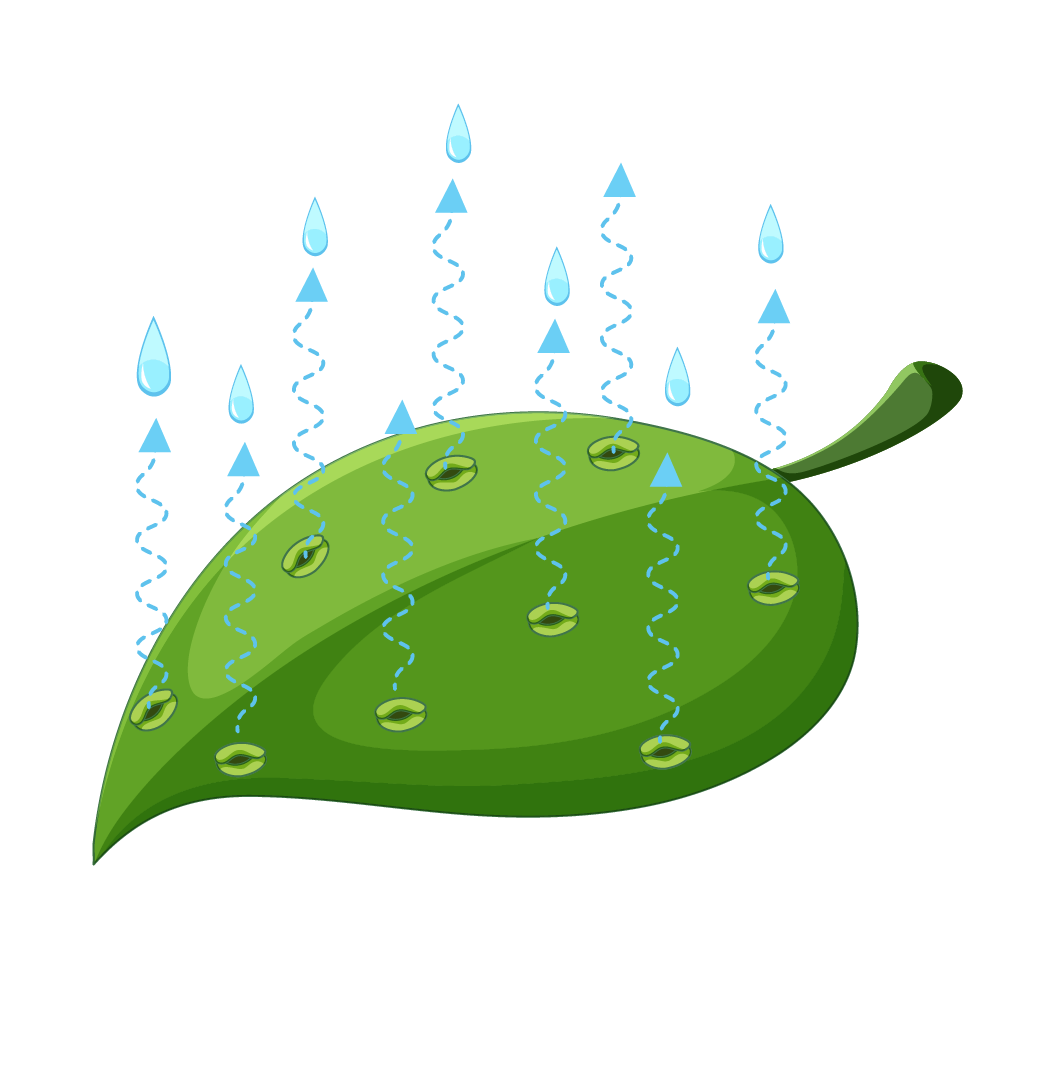
Microscopic openings on the surface of leaves and green stems
Stomata
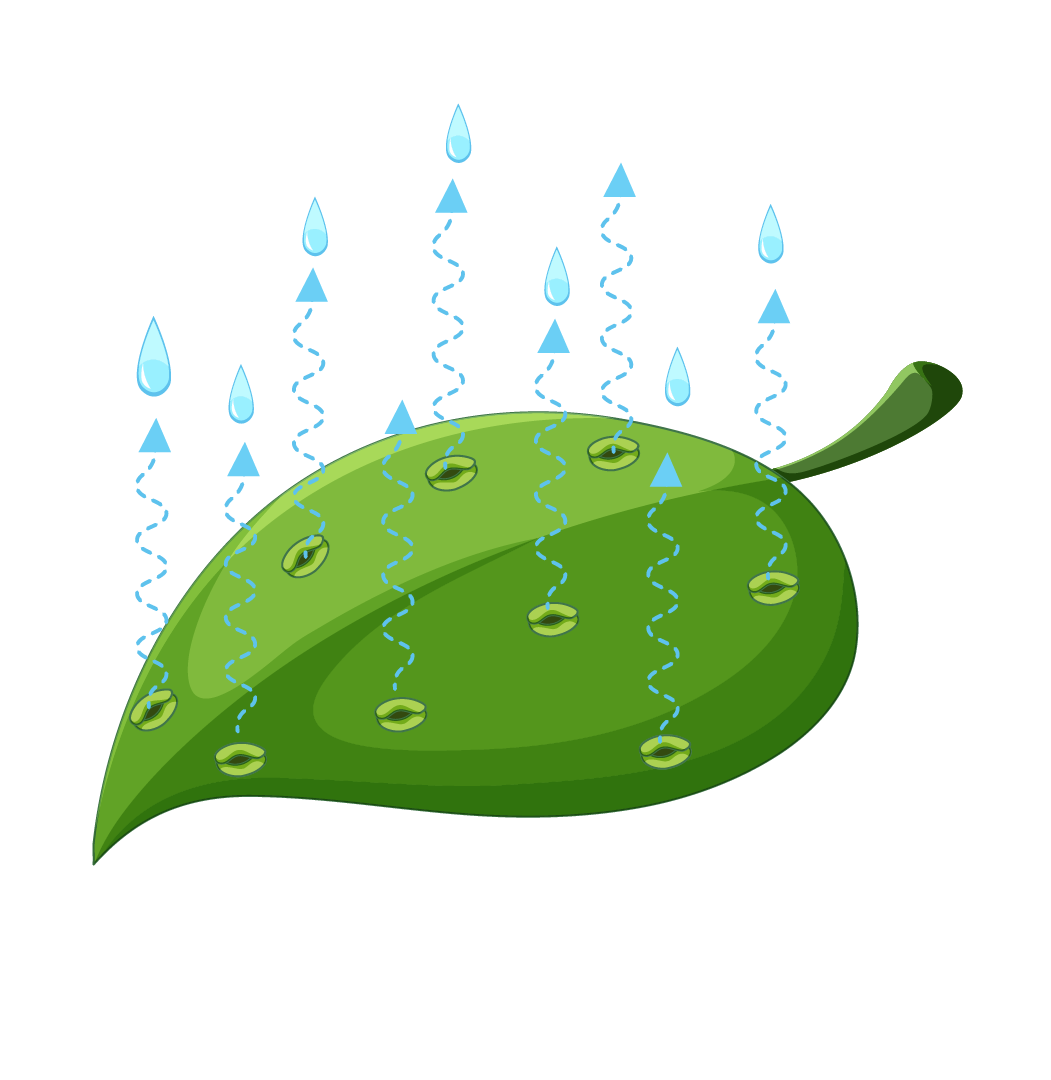
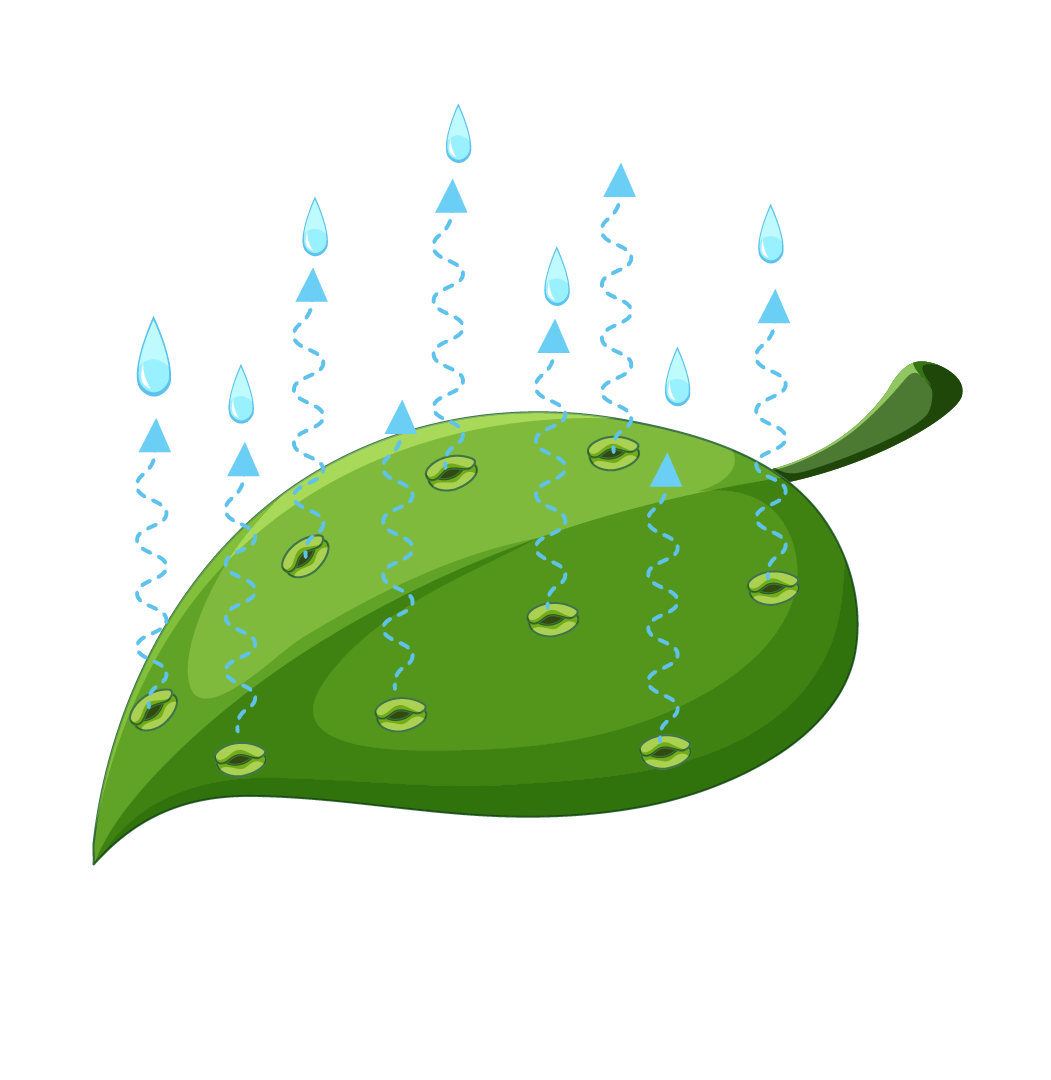
Loss of water through stomata
Transpiration
Nitrogenous wastes
Ammonia, urea and uric acid
Excretion products
Carbon dioxide and water vapour + Nitrogenous wastes (Ammonia, urea and uric acid)
Acidic gases react with water vapour form
Acidic Rain
Acidic rain
Decompose rocks
Ideal solvent
Water
Water enters the cell through cell membrane with
Dissolved Nutrients
Water exit the cell through cell membrane with
Dissolved Wastes
Water / land ratio
7/3
Land / Water ratio
3/7
Water cycle change the earth surface continuously
Physically, chemically and biologically
Water and minerals rise upward from roots to the upper parts of the plant through
Xylem Tissue