States of matter
Solid, liquid, vapour or gas
Solid
Small interspaces and incompressible (Fixed volume)
Liquid
Larger interspaces and incompressible (Fixed Volume)
Gas / Vapour
Very large interspaces and compressible (P inc. lead to V dec.)
Fusion (or Melting)
Process that absorb heat due to increase in temperature
Evaporation
Process that absorb heat due to increase in temperature
Process that release heat due to decrease in temperature
Condensation, freezing and deposition
Turning from solid to gas WITHOUT passing through liquid state
Sublimation
Turning from gas to solid WITHOUT passing through liquid state
Deposition
Average kinetic energy of molecules increase means
Temperature increases
Heat
Form of energy measured by joule that transfer from hot to cold due to difference in temperature
Temperature conversions
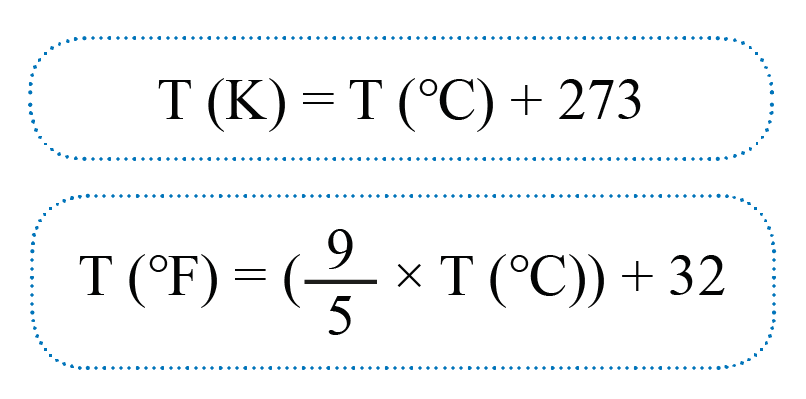
When temperature change by
1℃ = 1K = 1.8F
Process that absorb heat
Endothermic
Process that release heat
Exothermic
Low specific heat
Get hot and cold fast
Large specific heat
Get hot and cold slow like water
Specific Heat measured by
kJ/kg.K or J/g.℃
Quantity of heat absorbed or released when temperature doesn't change
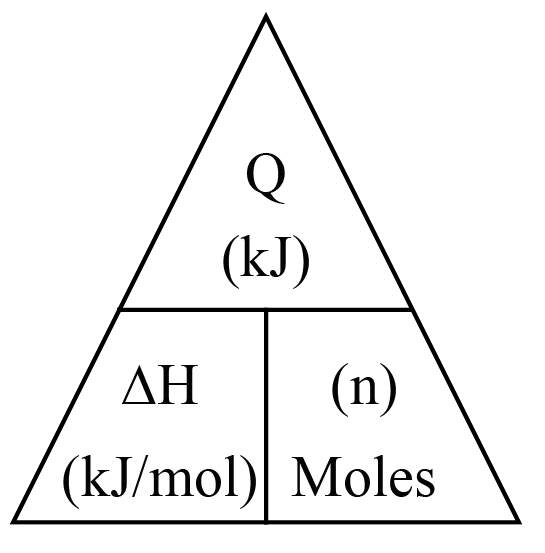
Quantity of heat absorbed or released that lead to change in temperature
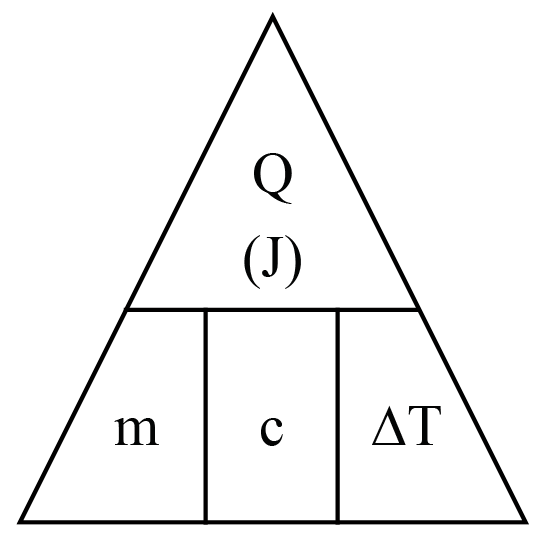
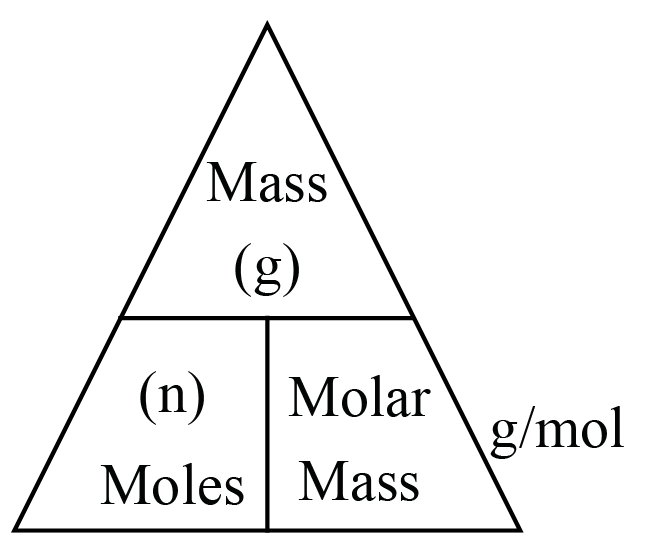
Number of moles
Water has high latent heat of vapourization
due to presence of hydrogen bond BETWEEN WATER MOLECULES
Intermolecular forces
Van Der Waals forces, Hydrogen bonds
Intramolecular forces
Ionic Bond, Covalent Bond, Metallic Bond
Number of hydrogen bonds increases
Boiling Point increases